

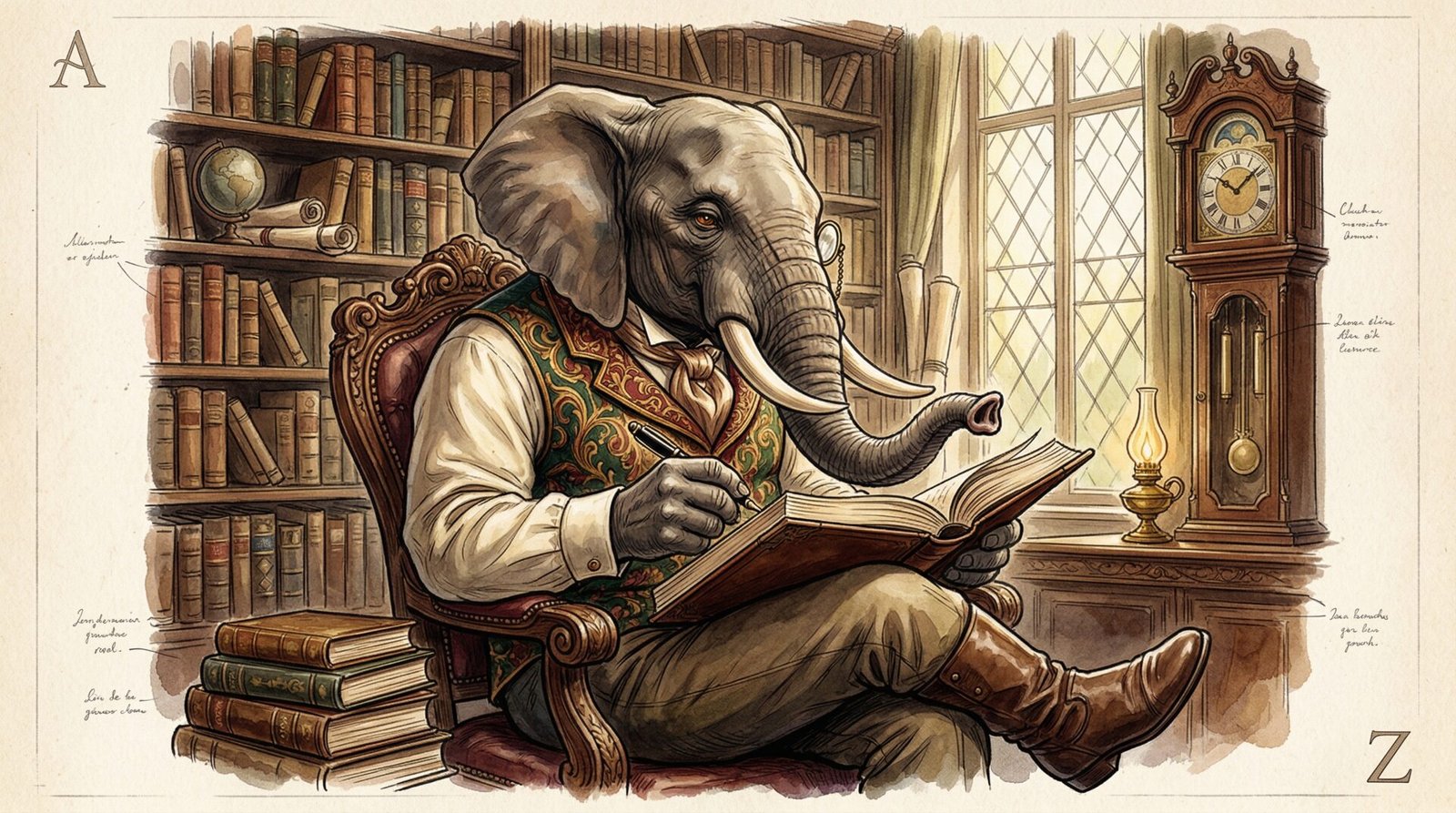
Day trading is the practice of buying and selling financial instruments within a single trading day to profit from short-term price movements.
Mechanics and strategies of day trading
Day trading requires closing all market positions before the trading day ends. Traders do this to avoid holding assets overnight. Holding assets after hours exposes the trader to the risk of price gaps between the market close and the next day’s open. The practice relies on market volatility to generate returns from small price fluctuations.
For Elephants participating in this market, the process requires access to real-time market data and direct access brokerages. Day traders often utilize leverage to amplify returns on minor price movements. This use of borrowed funds increases the potential for both profit and loss.
Common strategies include scalping and news-based trading. Scalpers hold positions for minutes or seconds to capture small price changes. News traders buy or sell assets based on the market reaction to scheduled economic reports or sudden corporate announcements.
Market rules regarding day trading vary by jurisdiction. In the United States, the Financial Industry Regulatory Authority classifies individuals who execute four or more day trades within five business days as pattern day traders. This designation requires them to maintain a minimum margin account balance of $25,000. Many European and Asian markets do not impose strict statutory minimum balances for day trading. In those regions, individual brokerages establish their own margin requirements.
Example
Consider an Elephant monitoring the stock of a large agricultural firm that produces peanuts. At 9:30 a.m., the market opens and the stock is trading at $50 per share. The Elephant notices high trading volume following a minor news report about a successful harvest. They buy 1,000 shares at $50. By 11:15 a.m., the stock price rises to $50.40. The Elephant sells the entire position of 1,000 shares, securing a profit of $400. All trades are completed on the same day, meaning the Elephant holds no shares when the market closes and avoids overnight price risk.